Open‑concept layouts are incredibly popular, but they present a design challenge: how do you define distinct zones while maintaining flow? The right flooring strategy can make your space feel cohesive and intentional. Here's what the experts recommend.
Use Continuous Flooring
Flooring continuity is the key to a seamless open plan. ConstructElements notes that using the same material across kitchens and living rooms creates a unified appearance, especially in small spaces. Hardwood, laminate and luxury vinyl are popular choices because they can withstand kitchen moisture while remaining comfortable in living areas.
Define Zones with Rugs & Patterns
With continuous floors as your canvas, use area rugs to distinguish seating areas, dining zones and workspaces. In kitchens, a patterned tile inlay can delineate the cooking area without breaking sight lines. Geometric patterns like checkerboard or herringbone work particularly well here.
Coordinate Colours & Materials
Keep your colour palette consistent across the open space. ConstructElements suggests matching cabinet finishes and flooring colours to ensure visual harmony. Introduce accent colours through textiles or backsplashes rather than through the flooring itself.
Consider Transitions
Where you do need to change materials—say, tile around a fireplace or carpet in a media nook—use flush transitions or subtle thresholds. Avoid abrupt shifts that can make the space feel disjointed.
Best Materials for Open Plans
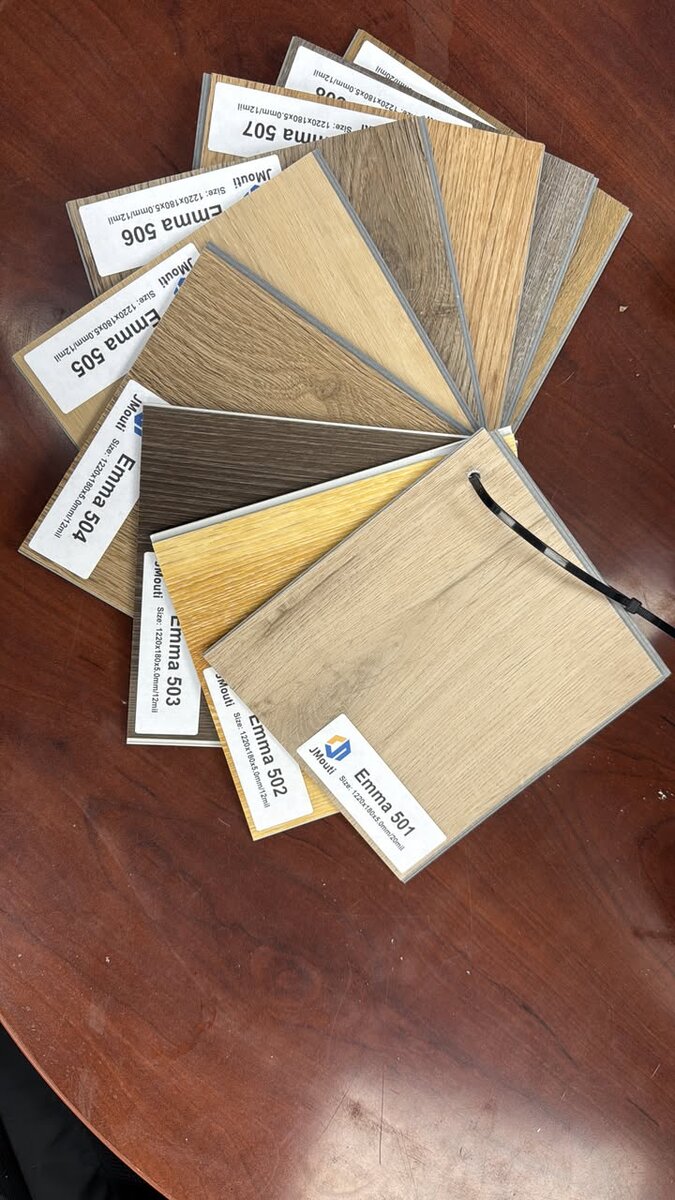
- Luxury Vinyl Plank: Waterproof and comfortable underfoot, LVP is ideal for kitchens that open into living rooms.
- Engineered Hardwood: Offers the beauty of wood with better stability in varying humidity levels.
- Waterproof Laminate: New technologies make laminate a viable choice for unified flooring.
For examples of how to mix patterns within an open plan, check out our patterned floors guide.